
Sleep Study at Home
Why Choose Home Sleep Testing?
Good sleep is essential. Testing your sleep at home is a game-changer for determining whether you have a sleep problem. Now, instead of sleeping in a weird lab, you can test yourself in your own bed! This way is easier because you're not stressed out trying to sleep in a hospital. It still gives you the correct answers. These tests monitor how you breathe, how much oxygen is in your blood, and how fast your heart beats, using small devices you wear while sleeping. Testing only takes one night, and you don't have to do anything differently. Testing at home is a good choice if you're busy or don't live close to a sleep clinic. It's easy to do and doesn't mess up your work or family time.
Understanding Sleep Disorders and Their Impact
Sleep issues are common, but many people don’t even know they have one. One of the most common is obstructive sleep apnea, where you stop breathing for short times while you sleep. This lowers the oxygen in your blood and messes up your sleep.
Besides just making you tired, sleep problems can lead to high blood pressure, heart issues, and diabetes if left untreated. Lots of people snore loudly, get morning headaches, or feel tired all day and don’t realize it could be a treatable sleep disorder. Sleep problems can also make it hard to focus, change your mood, and hurt your work.
The plus side is that if you find out what’s wrong, there are treatments that can help. Finding out if you have a sleep disorder starts with testing, and now it’s easier than ever to get tested at home.

How Seviyaar's At-Home Sleep Test Works
Seviyaar makes sleep testing easy with four simple steps. First, you set up a talk with our sleep experts. They’ll check your symptoms and see if a home test is proper for you. Next, we send the testing stuff to your place with clear, simple directions. The device has sensors you place on your finger, chest, and wrist to monitor your sleep. On the night you pick, you put on the sensors before you sleep and just sleep like normal. The device tracks your breathing, blood oxygen levels, heart rate, snoring, and your position. In the morning, just take off the sensors and send the device back as we told you. Then, our certified sleep experts review your results and prepare a report, which licensed sleep doctors then review.
What Makes Seviyaar Different
- Sleep in your own familiar bedroom environment
- No overnight hospital stays or clinic visits required
- Flexible scheduling that matches your routine
- Equipment delivered to your doorstep
- FDA-approved testing devices with proven reliability
- Results reviewed by board-certified sleep specialists
- Comprehensive data analysis matching clinical standards
- Follow-up consultations to discuss findings and treatment options
- Significantly lower costs compared to in-lab studies
- Insurance coverage accepted for eligible patients
- Transparent pricing with no hidden fees
- Quick turnaround time for results and diagnosis
- Dedicated customer service to guide you through the process
- Licensed physicians available for consultation
- Personalized treatment recommendations based on your results
- Ongoing support for managing your sleep health
Symptoms
That Indicate You Need Testing
Spotting sleep disorder signs early lets you do something about it faster. Loud snoring that just won’t quit often means your airway is blocked when you’re asleep, especially if it comes with gasping or choking noises. If your partner sees you stop breathing for a bit while you’re sleeping, that’s a big clue you might have sleep apnea. Feeling super sleepy during the day, even if you slept enough, means your sleep probably wasn’t of good quality.
Waking up a lot with headaches, a dry mouth, or a sore throat usually points to breathing problems as you sleep. If you’re having trouble focusing, your memory’s off, and your mood’s changing, that could be because you’re not sleeping well. People with sleep disorders tend to wake up a bunch of times without even knowing it. Other things to watch out for are tossing and turning all night, blood pressure that’s hard to keep in check, and just feeling worn out, no matter how much you sleep.



Who Benefits Most From Home Sleep Studies
Home sleep tests are really good for folks who have pretty bad symptoms of obstructive sleep apnea. People who are busy with work or taking care of family also like doing the test at home because it’s easier.
But home sleep tests aren’t for everyone. If you have some heart problems, lung issues, or muscle problems, you’ll need to get tested at a sleep lab. Kids should also have their sleep checked out by a special doctor. And, if you think you might have other sleep problems or central sleep apnea, you should also go to a sleep center for an in-depth test. Your doctor will figure out which test is proper for you based on your health and what’s been going on. When you talk to Seviyaar for the first time, they will help you to decide if a home test is a good choice for you.
Understanding Your Sleep Test Results
Your sleep test report has some significant numbers that tell you about your sleep. The AHI score counts how many times your breathing stops each hour. If it’s over five, that means you might have sleep apnea. The report also shows how low your blood oxygen went when you were asleep. Usually, it should stay above 90%. Heart rate info shows if your heart is reacting badly when your breathing is off.
Treatment Options After Diagnosis
- CPAP (Continuous Positive Airway Pressure) therapy devices
- Oral appliances that reposition the jaw during sleep
- Positional therapy devices for back-sleeping issues
- Surgical options for severe anatomical obstructions
- Weight loss programs for overweight individuals
- Sleep position training to avoid back sleeping
- Avoiding alcohol and sedatives before bedtime
- Establishing consistent sleep schedules
- Regular follow-up appointments to monitor progress
- Equipment adjustments for optimal comfort and effectiveness
- Sleep hygiene education for better overall sleep quality
- Support groups and resources for long-term success
Getting Started With Seviyaar
Getting started with Seviyaar to check your sleep is super quick. Just head to our site or ring our helpline to book your first chat. We’ll talk about what’s been going on with your sleep, your past health stuff, and what you want to get out of testing. We’ll sort out your insurance and tell you all the costs straight away. If you’re good to go, we’ll send out your testing kit in a day or two. It comes with simple setup steps and how-to videos. Our team is here to help by phone, email, or chat if you get stuck. After you finish the test, you’ll get your results in about a week. Then, you’ll have a follow-up with a sleep doctor either face-to-face, over the phone, or by video, whatever works best for you. If you need treatment, we can get the ball rolling right away. Seviyaar works hand-in-hand with suppliers and doctors to make sure everything runs smoothly from the test to your treatment and beyond.
FAQs
How accurate is a home sleep test compared to a lab study?
Home sleep tests are over 90% accurate for diagnosing moderate to severe sleep apnea when used correctly. They focus on breathing and oxygen levels, while lab tests provide more detailed brain wave data. For straightforward cases, home tests deliver reliable results.
How long until I get my results?
Seviyaar delivers results within 5-7 days of receiving your device. A sleep technician analyzes the data, followed by physician review. Rush options available, with doctor consultations typically within a week of report completion.
Will my insurance pay for the home sleep test?
Most plans cover home sleep apnea tests when medically necessary. Seviyaar verifies benefits beforehand and accepts Medicare, Medicaid, and most private insurance. Self-pay options available for uninsured patients.
What if I can't sleep well during the test?
Devices capture sufficient data with 4-5 hours of recording. If technical issues occur or sleep is under 2.5 hours, Seviyaar provides a free replacement device. Your familiar bedroom often helps more than a lab setting.
Can I use the bathroom during the test?
Yes, sensors feature long wires or wireless connectivity. Pause recording, use the bathroom, then restart. Short breaks don't affect results as long as monitoring resumes during sleep periods.
What if my test says I have sleep apnea?
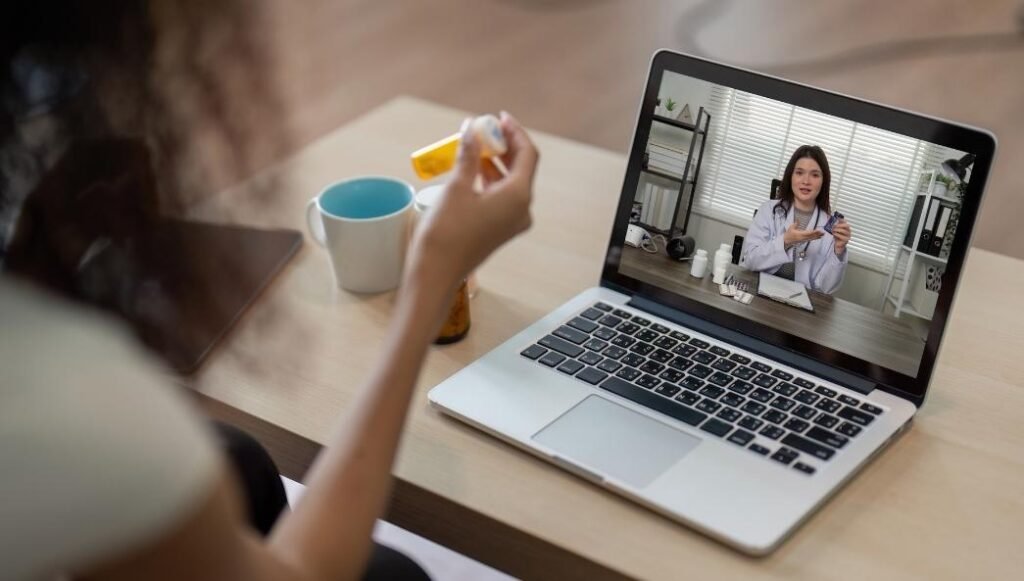
Your doctor will recommend personalized treatment. CPAP therapy is standard for moderate-severe cases. Seviyaar coordinates equipment setup and training. Mild cases may use lifestyle changes or oral appliances based on your medical profile.
How soon after I am diagnosed can I start treatment?
Treatment typically begins within 1-2 weeks of diagnosis. Seviyaar streamlines CPAP prescriptions, equipment delivery, and training. Many patients notice improved energy within a few nights of consistent treatment.